A Wrap-Up of the Semester

As the semester comes to an end, so does my blogging experience. The experience of content creation and using social media to promote myself has shown me how powerful social media can be. This project will benefit me now and in the future, because it taught me how to and why it is important to use a social media platform to promote my content creation and gain viewers. This will allow me to network with others in my field which could result in me getting a job or project to work on that will be beneficial to me financially and from a professional standpoint. My best experience of this semester-long project was creating my blog and watching it slowly grow and getting views. Even though I think I did a good job promoting my content, I could’ve done a better job by utilizing different social media platforms than just Twitter, such as Instagram. This would allow viewers who do not have a twitter account to view my blog. Something that I would have done differently on my site is that I would have added an about page. This page would consist of information on some of the important people behind the Texas State broadcast.

To see what viewers responded to, I gathered data about my site by using WordPress Site Stats. I used this data to analyze my effectiveness with content and social media, and see what viewers respond to and perk their interest. By using WordPress Site Stats I was able to analize my most popular week which was the week of March 23.

In that week I had 65 views and 19 visitors. My most popular post of the semester was Portable Cameras: Cam 3 and Cam 4, I had 52 views. I think that it was the most popular post because it talked about the portable cameras on the basketball court. Viewers found it intriguing reading about some of the events that these cameras capture. I was surprised by the outcome of my post views, I wasn’t expecting to have as many. I hope the people that viewed my blog were able to get some interesting information out of it and enjoyed the content.

Click here to sign up and create your own WordPress site!

Joining the Team

Recently I interviewed some of the members of the Texas State Broadcast Team for a video I was making. In the interview, one of the questions I asked them was how they got involved with the Texas State Broadcasting Team. While I was interviewing the team members, I started to reflect on how I got involved with the team, so I decided to post my story.


Click here to watch the interview with the Texas State Broadcast Team Video

Just like everyone else that I interviewed, I found out about this opportunity from Lucas Haskins, the Broadcast Productions Manager. The advice I got when I was a freshman was to check out the campus professional organizations because these organizations are a great way to gain connections and meet all kinds of different people. One of the clubs I checked out was the Broadcasting Club and at the first meeting I attended, Lucas was the guest speaker.

Picture from Broadcasting Club meeting (October 3,2018)

As I listened to him talk about the Texas State Broadcasting Team, it sounded like something I would be interested in doing, so I visited with Lucas after the meeting and got his contact information. At the time I wasn’t sure what I wanted to do for a career and used my freshman year to explore various options. Sometime during the summer between my freshman year and sophomore year, I figured out doing media work for the sports industry is the career path I would like to pursue. A couple of weeks later I noticed a post on Facebook by TxState SJMC Internships, Careers. The post was a link to apply for working with the Texas State Athletics Video Production Crew and I applied for it. I knew the job would be a great experience and help me gain valuable knowledge in this industry. The closing date for the job was October 10th and I did not hear anything about it. I then remembered that I had written down Lucas’s contact information. I sent him an email telling him I was interested in the position, along with a video I made about the upcoming Texas State football season, to show him what I was capable of doing.

Click here to watch the video I made and sent to Lucas

A couple of days later he replied to my email and we scheduled an interview. I ended up getting the job and it has turned into a learning experience. While working with the broadcast team I have been able to meet a great group of people and learn so much of what happens behind the scenes. With this only being my first year as a member of the Texas State Broadcasting Team and also being a sophomore, I have a couple of more years to learn more and try my hand at working in the control room or even video editing.

Bobcat Baseball and Softball Broadcast

Although the 2020 Texas State baseball and softball season didn’t last long, it will be one to be remembered, not only by Texas State but by me. I was able to learn two new broadcasting positions and also take part in the first-ever ESPN+ broadcast of Texas State baseball.

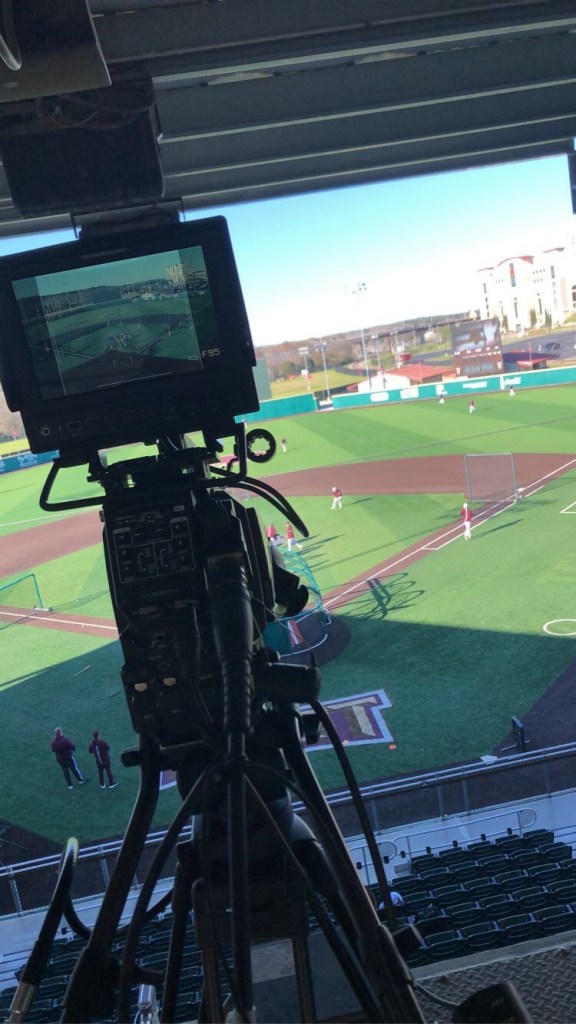
The first broadcast of the season was on February 26, 2020, and the Bobcats faced off against the Rice Owls at Bobcat Ballpark. The Bobcats topped the Owls 9-2, with the help of outstanding pitching which held Rice scoreless for seven out of the nine innings. For this game, I was assigned to work Cam 2. Cam 2, also known as High Home is set up behind home plate on top of the broadcasting booth. The primary role of this camera postion is to follow the ball once the batter hits the ball into play.

Before the NCAA cancelled spring sports I also had the opertunity to work a softball game. For the softball game I was assigned tovwork Cam 3. Cam 3, also known as High First Home is set-up on the first base side right next to the away dugout and has many jobs. Cam 3 captures rights-handed batters and left-handed pitchers. As the batter prepares to bat, Cam 3 will get a close- up so that a graphic of the batter’s name and stats can be placed on the television screen. Once the camera is not live anymore, the operator will zoom out for a head-to-toe shot. This shot can be used as a replay iso-shot of a player’s swing as the ball crosses the plate. Another shot the camera could capture if demanded by the director is a shot called a shag. A shag is where the camera operator has the first baseman, second baseman, and the shortstop in the frame so they’re ready to catch the play at the base on camera. Cam 3 could also be used for fan shots when coming back from commercials.

Even though the Texas State baseball and softball season were cut short, this season laid the foundation for the broadcasting of Bobcat’s baseball games. From now on, they will be televised on ESPN+, which will give alumnus an opportunity to follow the team.

Keep up with Texas State baseball and softball by following their Twitters. @TxStateBaseball @TXStateSoftball

Comparing My Blog to ESPN Front Row

In this post, I will be comparing my blog to ESPN Front . When I started my; blog, my intent was to give a behind the scene view of what it takes to produce a Texas State University athletic event, and the people who make it happen. Although ESPN Front covers a wide variety of sports and goes in depth on these sports, ESPN Front  Row at times posts what they have to do to broadcast professional sports, the equipment that they use and the people who make the production of ESPN broadcasts happen.

In a post which was posted just seven days ago, ESPN Front Row interviewed four of the production crew who are currently having to work from home due to the coronavirus. This post gives us an idea of who the production team and what they are having to do to get the show produced. In my blog, I too talk about the individuals who operate the cameras, and are in the control room. Both of our blogs value the people behind the scenes and the cameras. ESPN Front Row on their November 13, 2013 post gave a biography of Sport Center anchor Doug Kezrian. I too have put the biography information of individuals on my blog of the Texas State University production crew.

In two of my posts I talked about the camera setup and the function of the cameras in order to produce a quality production. I talked about the setup and the purpose of each camera. ESPN Front Row has dedicated several posts to the types of cameras that are used and how they are operated. On their October 24, 2013 pos,t they talked about how they used to set up their cameras to get sideline shots at football games and how they do it now. In a different post  dated July 7, 2017, ESPN Front Row discussed their new “Front Row Cam” which allows them to get the tight shots of players during a baseball game. Although ESPN Front Row talks mainly about the equipment used to produce professional sports broadcast, both blogs convey to the reader that much time and skill is needed to operate and set up the different equipment needed to produce a sporting event.
Both ESPN Front Row and my blog are dedicated to sports, trying to give the reader a behind the scene of the different sports, although like I mentioned earlier, I dedicate my blog solely to Texas State University sports and what it takes to produce a quality production for ESPN+.

ESPN Front Row and m;y blog gives sports fans information on the equipment and the people who are responsible for the sport broadcast that they are watching. By doing this, it gets the fans more in touch with the broadcast that they are watching on television or on their computer.

Click here to visit ESPN Front Row

A Year to Remember

In my latest posts, I have been talking about the production of the Texas State games aired on ESPN+  but in this post, I am going to shift gears and talk about the coronavirus and its effects on people. The coronavirus is a pandemic with over 52,000 confirmed cases and over 650 deaths in the United States alone. Sports organizations such as the NBA, MLB, and NCAA have canceled or suspended play in order to slow down the spread of the virus. This widespread virus has affected a vast number of people from all walks of life, not just from a health standpoint, which is the most important, but in other aspects. Some of these people are the workers that help produce the broadcast for ESPN+ and the athletes of Texas State University. Since the NCAA canceled the remaining games of the winter and spring sports this puts the student workers, like myself, out of work. With no games being played, this means no games to be broadcasted. As disappointing as it might be to the student workers, the men’s basketball team’s dreams came to a halt.

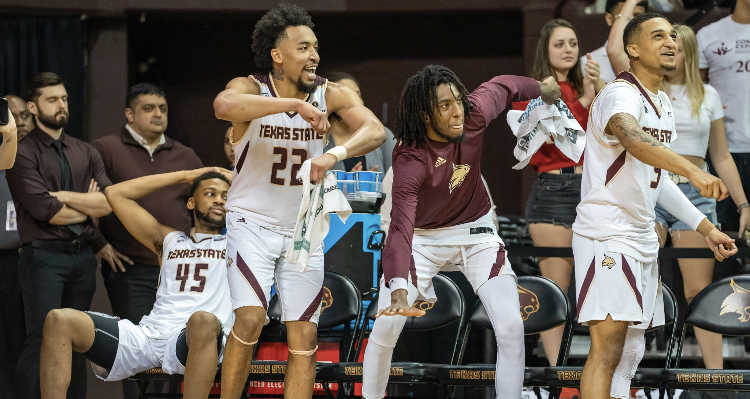
The men’s basketball team was on the path to possibly winning their first Sun Belt Championship and making their first appearance in the NCAA March Madness tournament since 1997. This was not to be the case, due to the outbreak of the coronavirus.

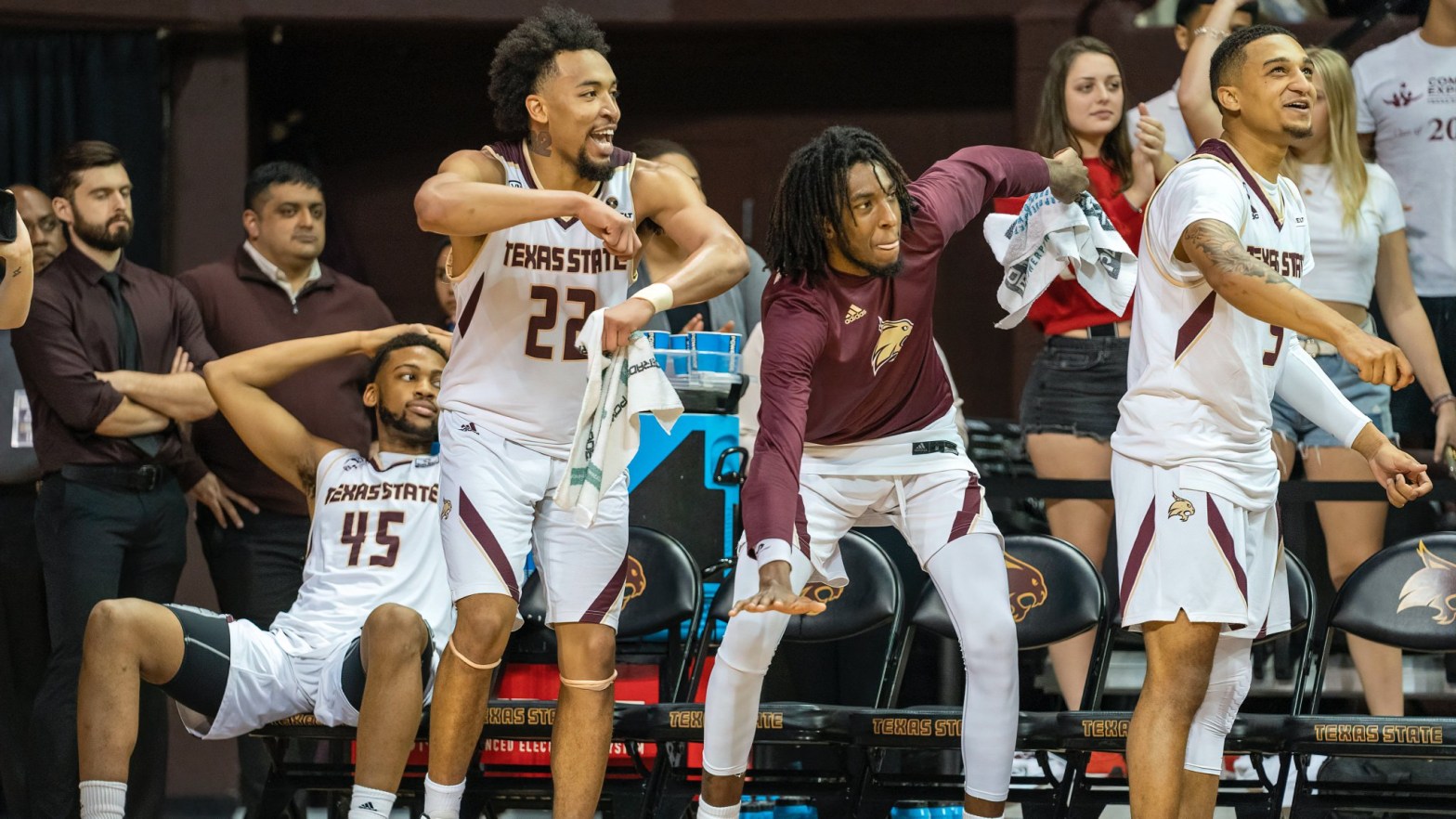
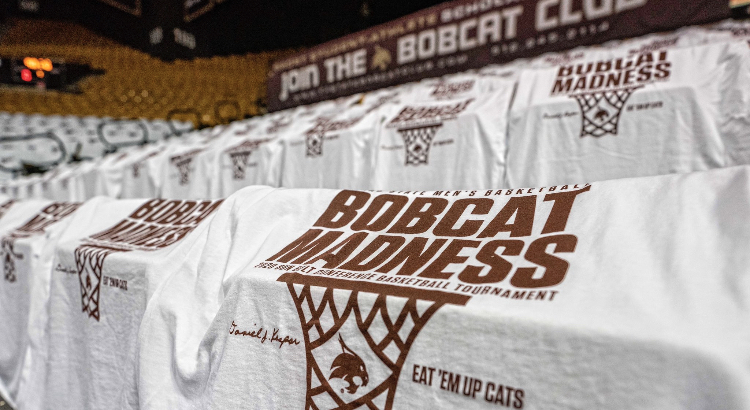
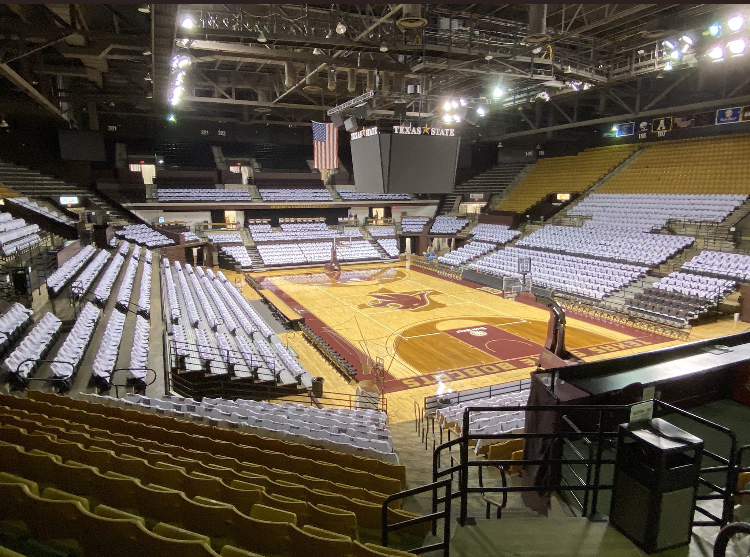
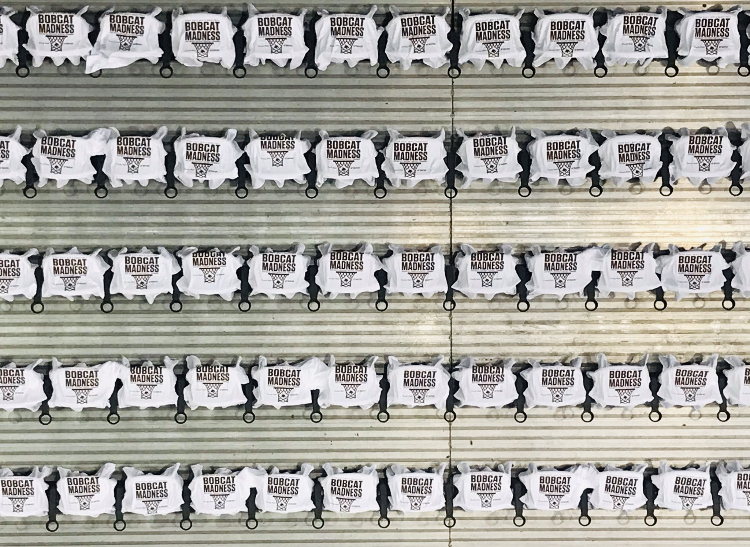
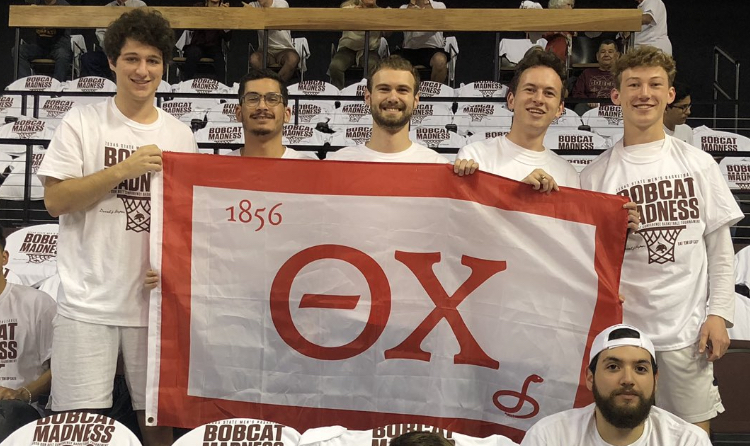
With the unexpected ending to a remarkable season the Texas State players, students, and the broadcasting crew got to experience one last outstanding game for the 2019 – 2020 season at Strahan Arena.  On March 11, 2020, the second-largest attended basketball game in Texas State history took place. Approximately 6,308 loud Bobcat fans, clothed in white shirts, packed Strahan Arena to watch the men’s basketball team face off against the number 6th seed Appalachian State in the quarterfinals of the Sun Belt Conference Tournament. After two solid halves of baseketball, the Bobcats cruised to a 85 – 68 victory. The next day, the NCAA made the decision to cancel the remaining basketball games and tournaments.
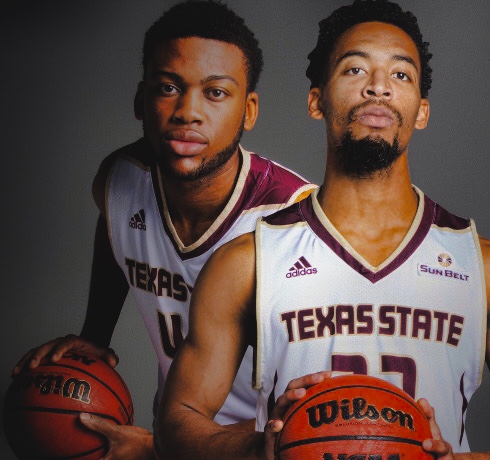
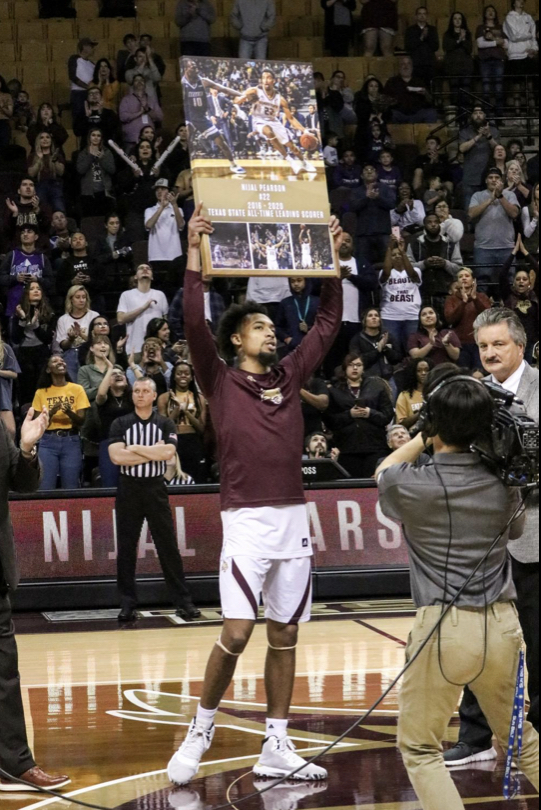
Seniors, Eric Terry (Left) and Nijal Pearson (Right)

My heart goes out to the seniors of the basketball team, Nijal Pearson and Eric Terry, as well as the seniors of the broadcasting team. Even though the season didn’t end as planned, the last game of the season will be one to be  remembered by all Texas State Bobcats forever.

Click here to listen to Stephen Curry’s message regarding the coronavirus #StopTheSpread

Portable Cameras: Cam 3 and Cam 4

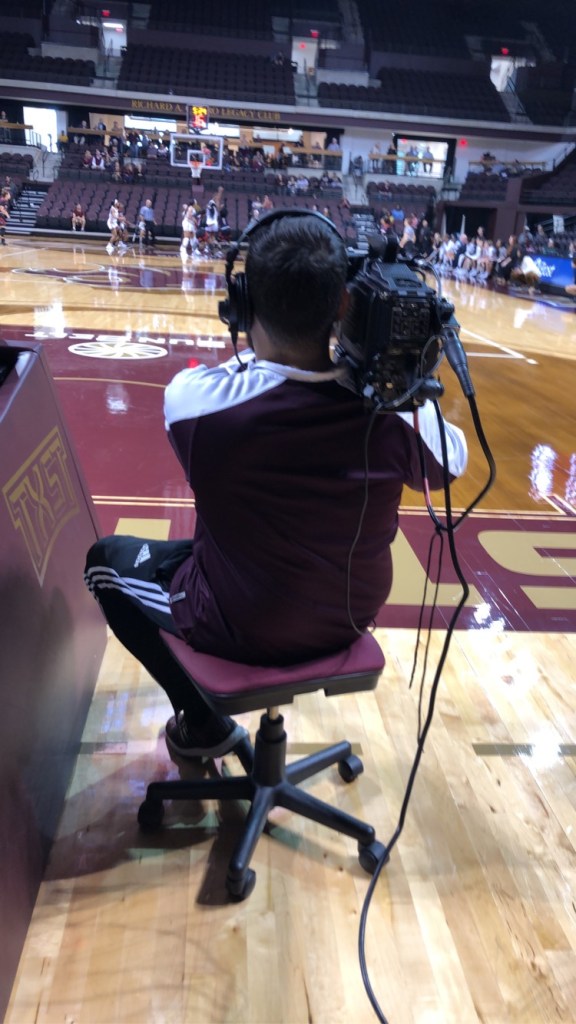
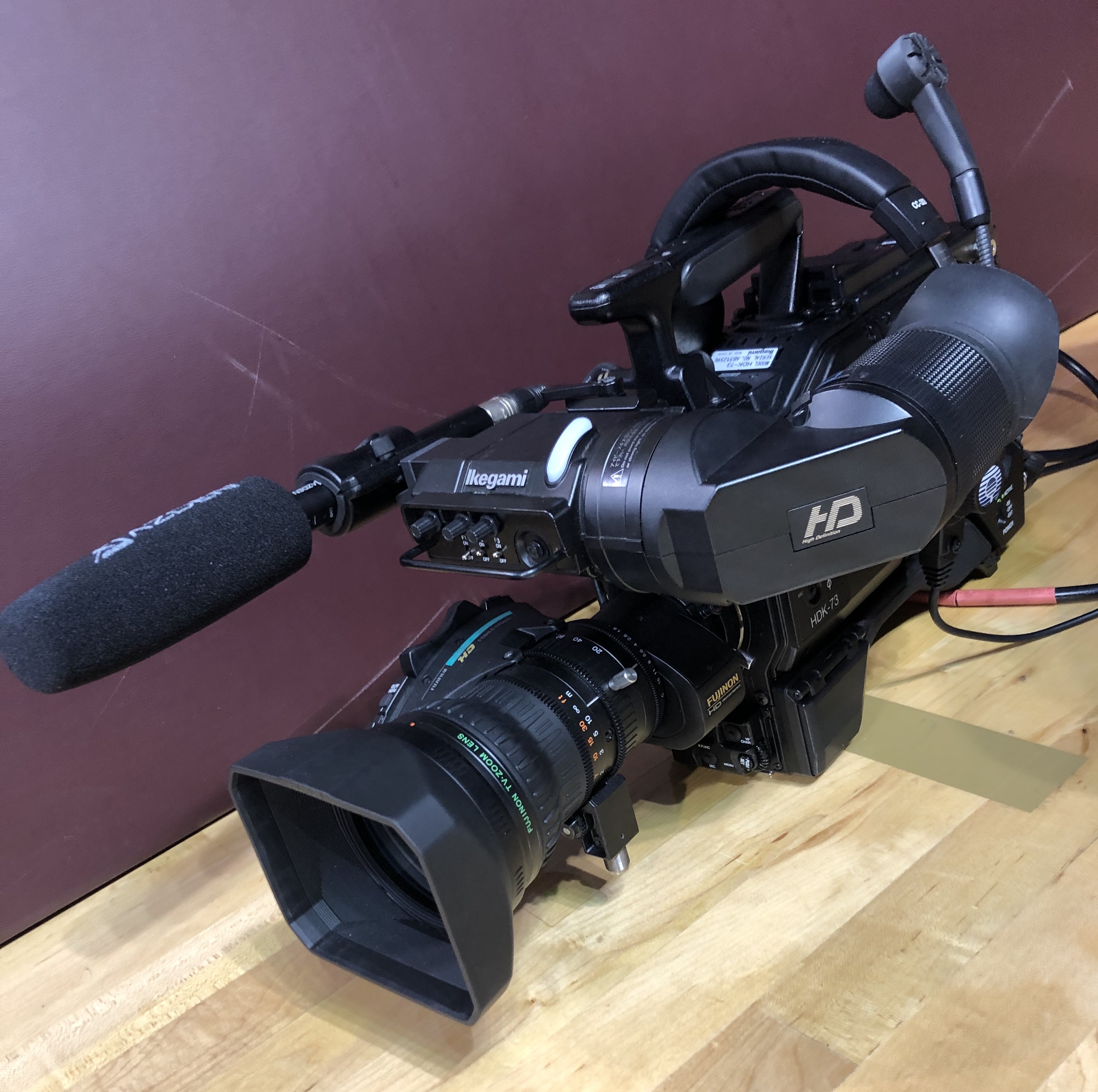
In my last blog, I told you that five cameras are used to produce a Texas State basketball game for ESPN+, three stationary cameras and two portable shoulder-mounted cameras which are located on the arena floor. Today I am going to talk about the two-floor cams. The floor cams are known as Cam 3, which is located on the visitor bench side of the court, and Cam 4, which is on the opposite side by the home bench. These cams are the two main cameras that I operated during home games. When I started working with the broadcast team, I shadowed at Cam 3 and have enjoyed it ever since.

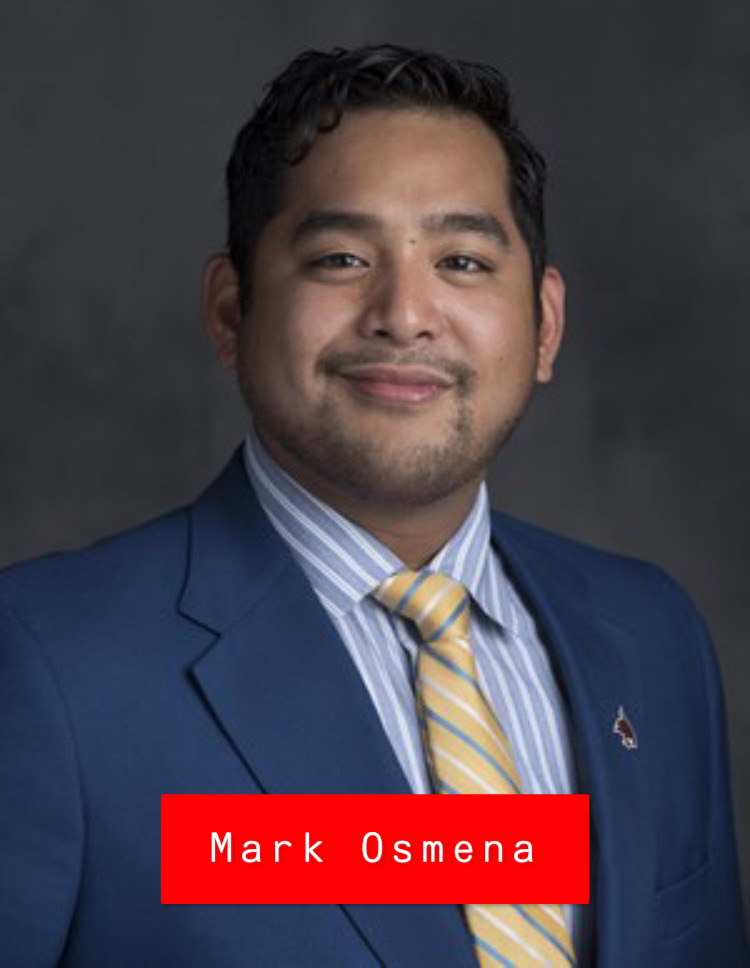
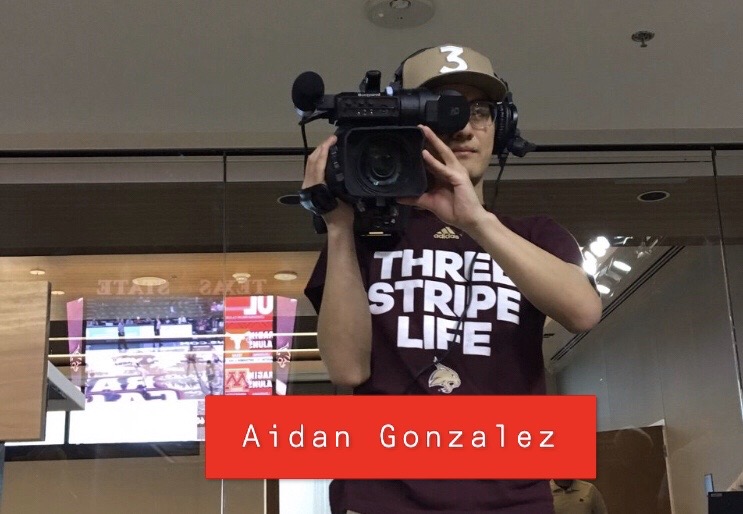
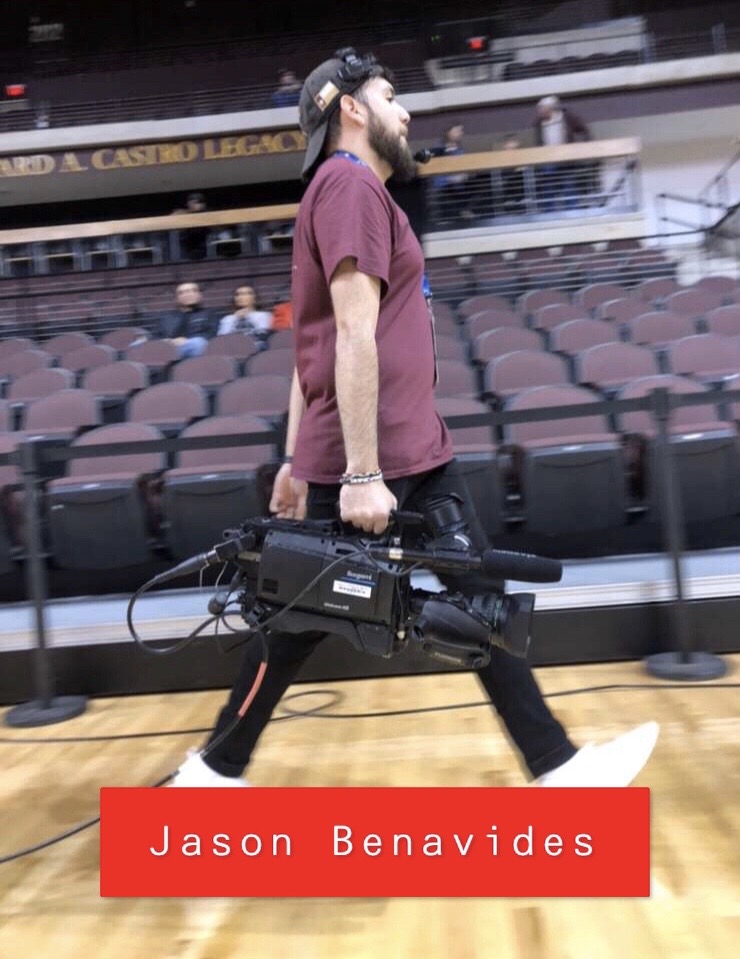
In the first couple of games I operated Cam 3 and Cam 4, I thought all I had to do was sit under the goal and get the required or requested shots. The Video Production Coordinator, Mark Osmena, my co-workers, Aidan Gonzalez and Jason Benavides told me operating a portable cam was not just getting the shot, but making the shot exciting. They told me that I needed to move around the court to get a more desirable shot from different angles. I needed to get close to the players and action without interfering with them since that is the purpose of Cam 3 and Cam 4.

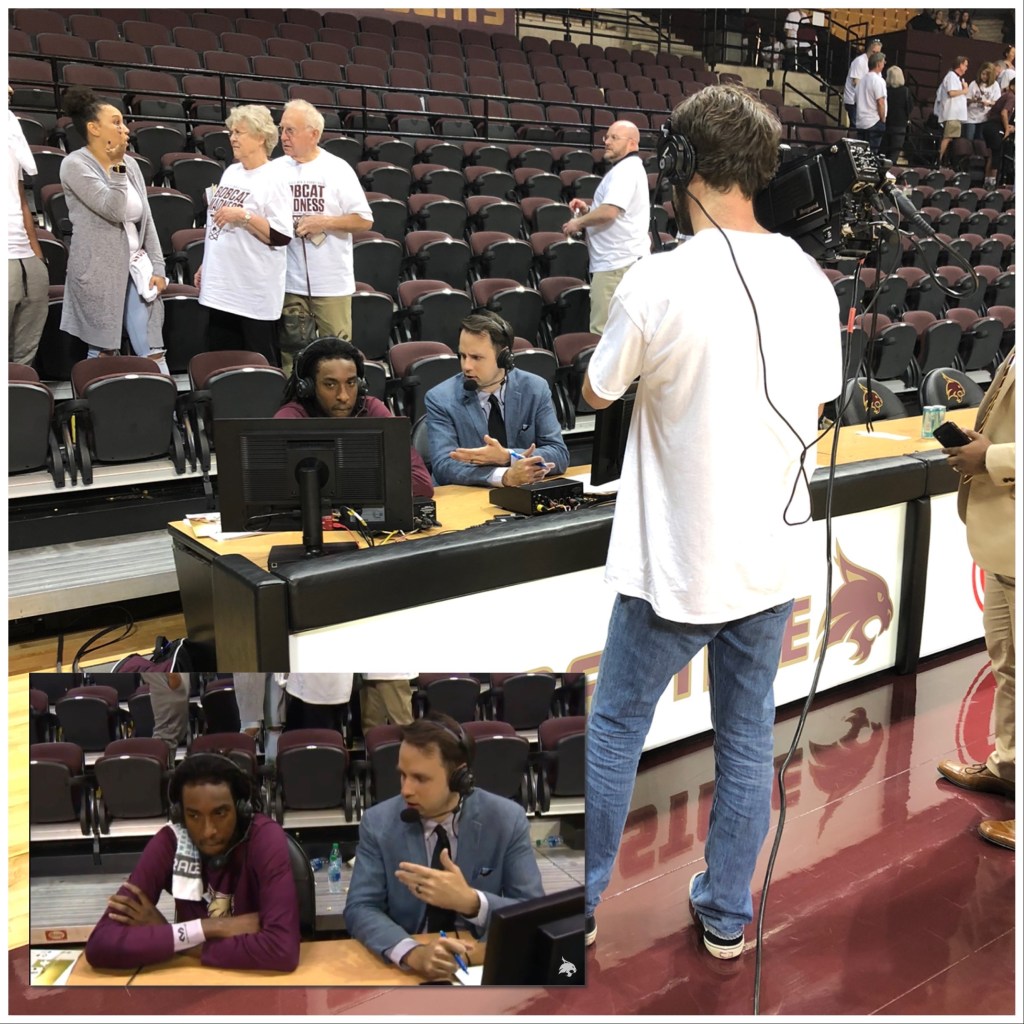
The job of Cam 3 and Cam 4 is to capture everything happening on the floor and to get into the action. These cams are in charge of pre-game intro and post-game interviews. They are also in charge of filming the starting five players for the big screen of Strahan Arena. Cam 3 will film the visiting starters and cam 4 will film the home starters. As soon as cam 3 is done filming the starters for the visitors, the camera operator will then walk over to the talent, which is the broadcasters, so that they can film the opening. While cam 3 is doing this, cam 4 is filming the starters for the home team. After all this is done and the game is starting up the operators will make their way back to their position, which is under each goal. The cameras can get heavy, so the operator will switch with their assigned partner and take over their new role as the cable page. The cable page’s job is to roll and unroll the cable of the camera so it does not get tangled or somebody trips over the cable. Having a cable page allows the camera operator to move around the court to capture crowd shots for the big screen and get inside the huddles without having to worry about the cable or the cable getting tangled. This is all done while getting constant orders from the control room through headsets.

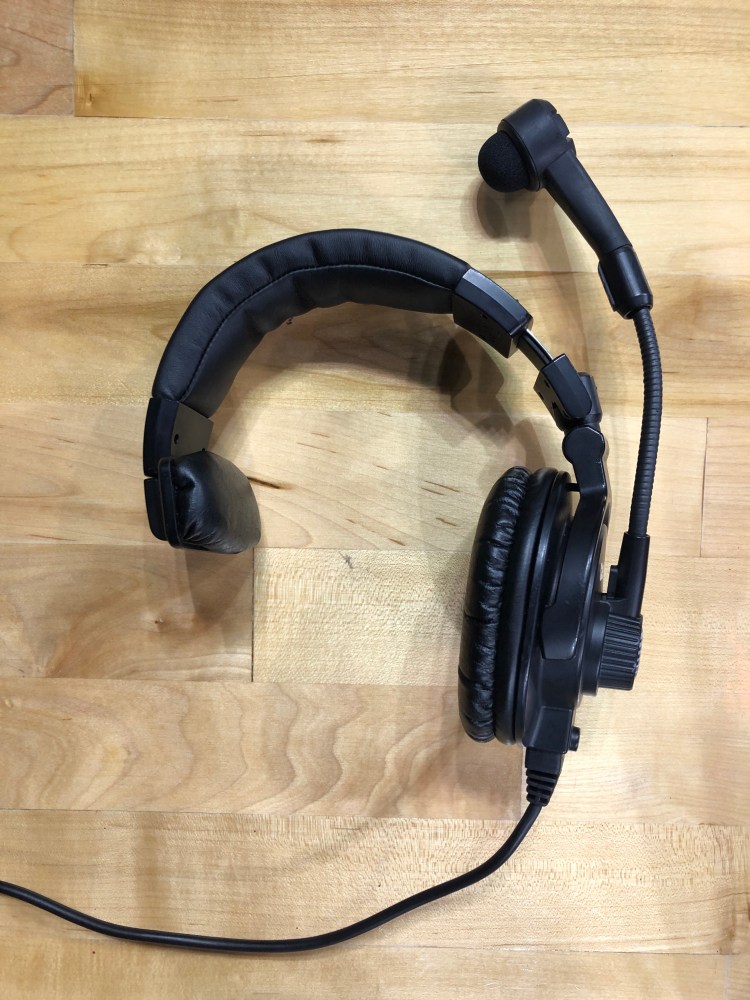
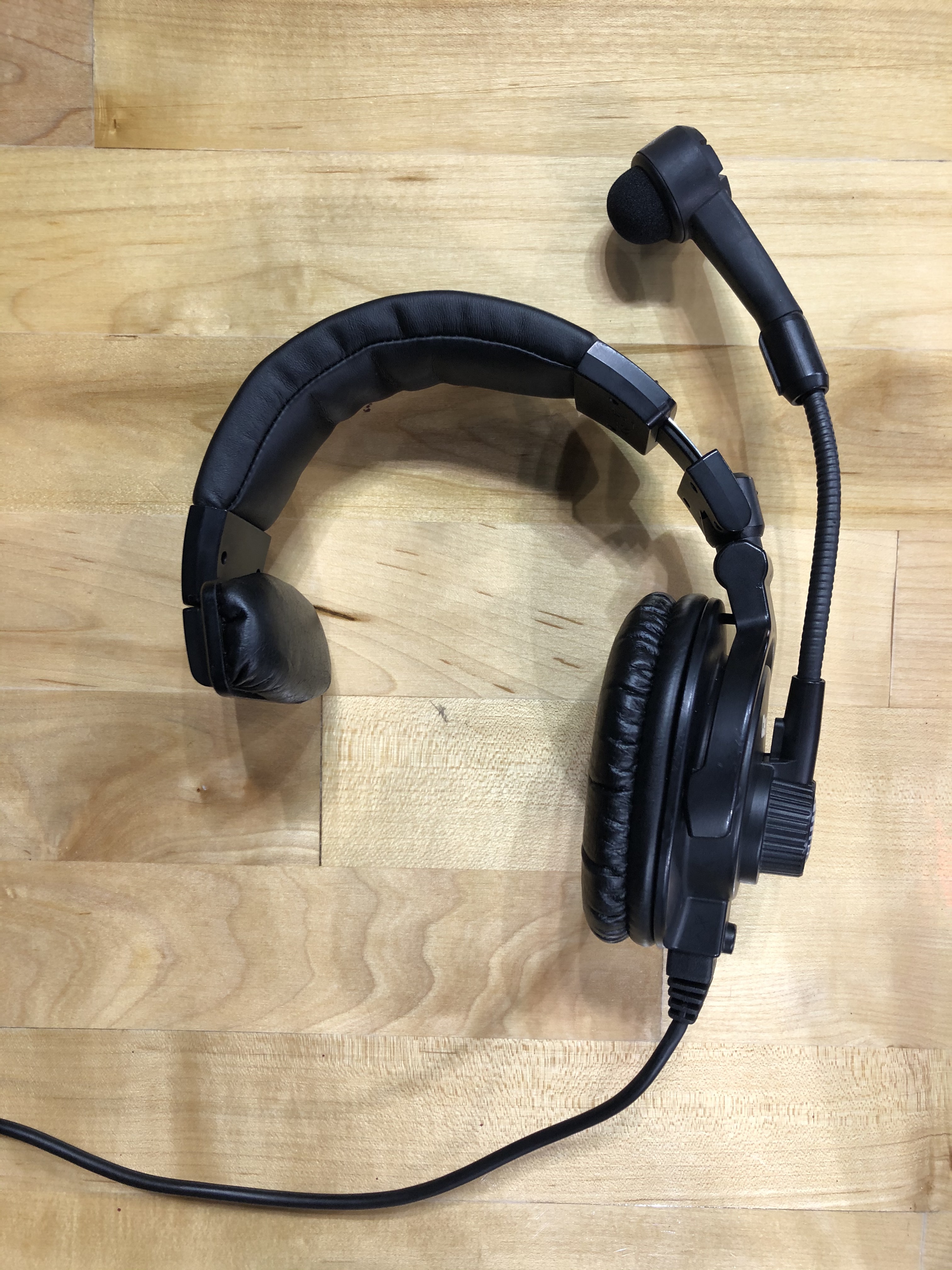
Cam 3 and Cam 4 operators have a headset on so that they know what shots to take or look for. The headset also keeps the camera operator constant contact with the control room, Broadcast Production Manager, marketing team, talent, and other cameras.

Click here to watch a post- game clip shot from Cam 3 and see if you can identify additional shots from Cam 3 and Cam 4.

Cameras and the People Behind Them

When watching a Texas State University basketball game on ESPN+, what a person is seeing is being filmed by five different cameras. The cameras are located throughout Strahan Arena. One is located at the top of the arena, another one about halfway down, and another one camera at the bottom left of the seats. The remaining two are shoulder-mounted cameras located on opposite sides of the court. Each camera has a specific and unique job, depending on the location. This is essential to produce a successful presentation. In addition to having a specific purpose, each camera encounters different and unique problems. In future posts, I will discuss what the purpose of each camera is and the problems.
Basketball game camera set up.

At Texas State, all the cameras are operated by student workers. Each camera on the floor is operated by a two-person team. One person works the camera, who will carry it on his shoulder and move around the floor to get the desired shot. The other person will be rolling and unrolling the cable of the camera so it does not get tangled or somebody trips over the cable, this person is known as the cable page.

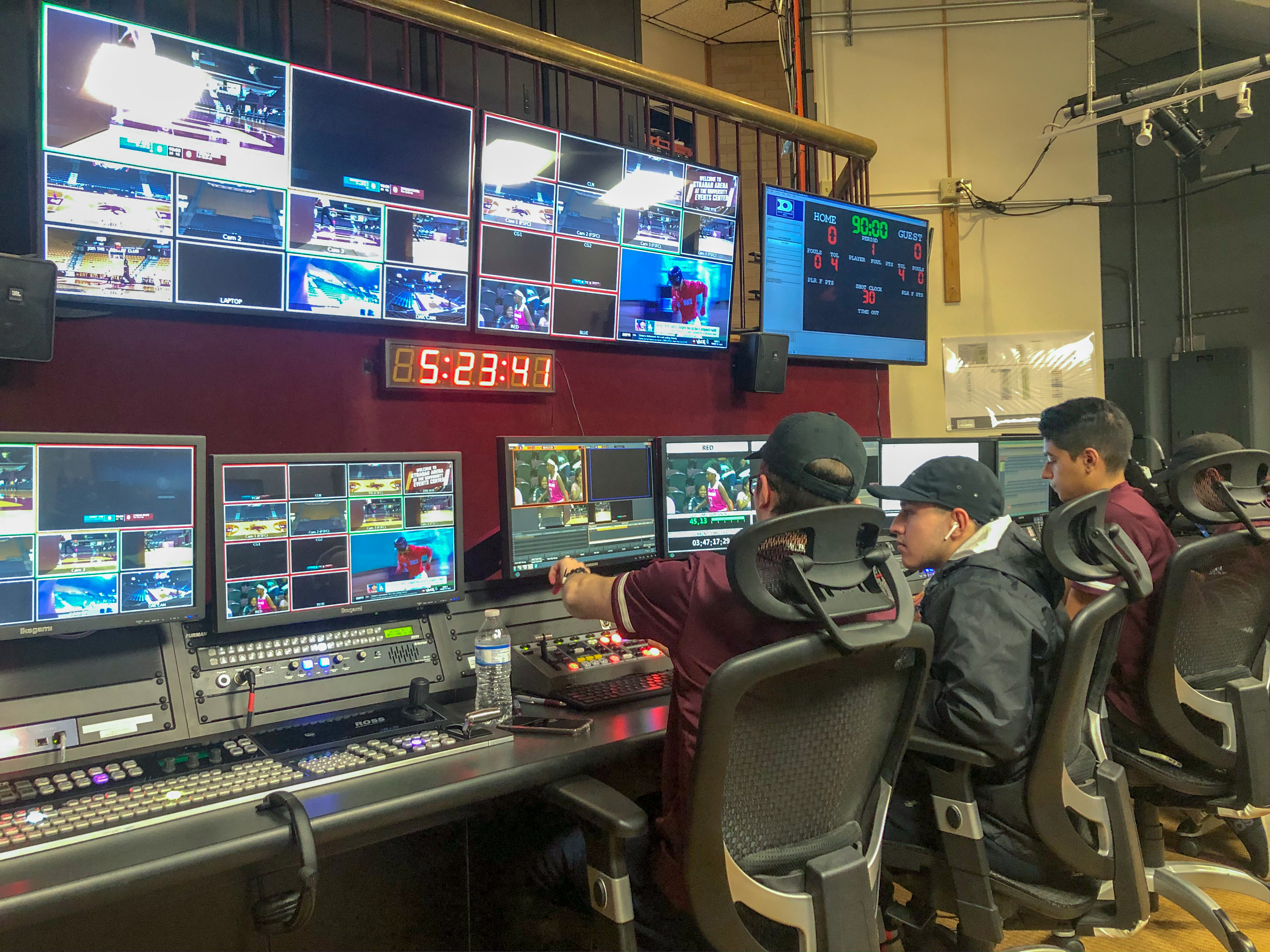
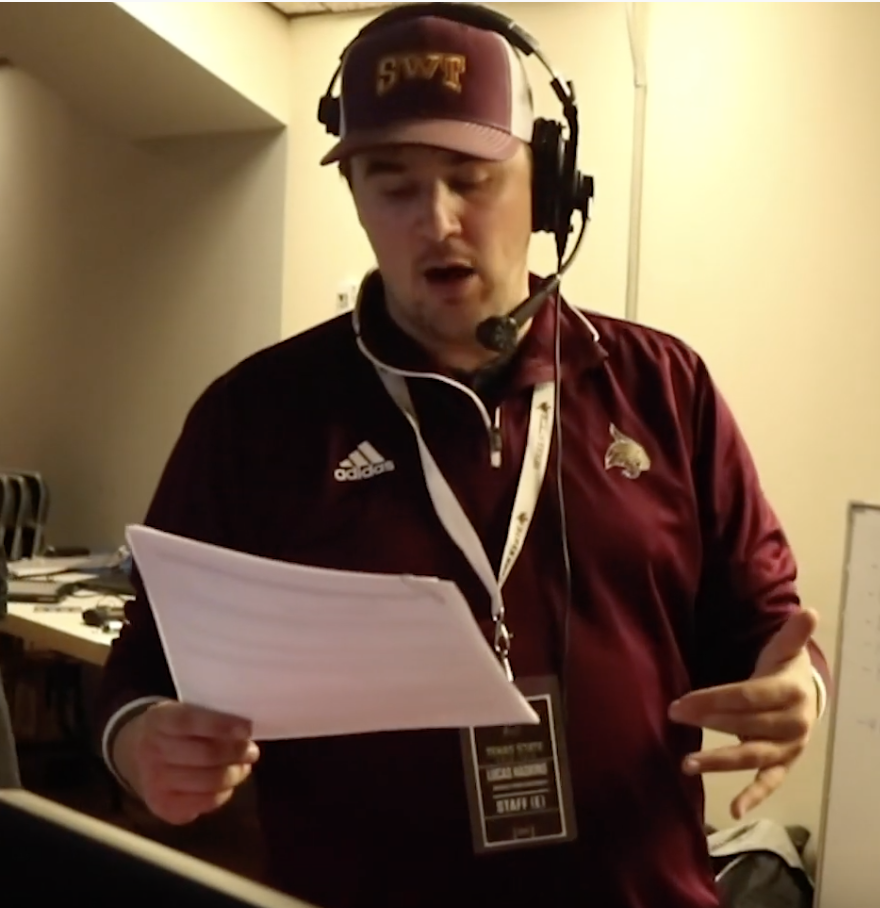
Each camera is equipped with a headset and a microphone. The camera operator is in constant contact with the control room, located in Strahan Arena. This is where the Broadcast Production Manager (PM) is. The PM tells the camera operators what shots to take, and which camera is “live” or being used at a certain time. For the broadcast to run smoothly, and for a quality product to be produced, it is up to the PM. He has to make quick decisions on what needs to be shown, and many times what not to be shown. There is constant chatter over the headset between the PM, the other workers in the control booth, and the camera operators.

The Broadcast Production Manager at Texas State is Lucas Haskins. Lucas earned a bachelor’s degree in communication studies with a minor in journalism from the University of North Carolina at Wilmington. He has been with Texas State University since 2018. His responsibilities are the production of ESPN+ and Texas State home athletic events. Lucas is also responsible for creating material for the athletic website, broadcasts and social media.

More From The Broadcast Production Manager Bobcat Club Podcast Episode 2: Lucas Haskins From ESPN+

Coming Soon: Exploring ESPN+

My name is Anthony Baeza, and I am a sophomore at Texas State University. I recently got accepted into the School of Journalism and Mass Communication program where I am pursuing a Bachelor of Science in Electronic Media. My goal after college is to join a video production crew for a professional sports team, and produce highlight videos, intro videos, hype videos, and help out with the production interviews for the team. To help me gain more knowledge in this field and to also give me some hands-on experience of using a camera, I visited with the Texas State Athletics Video Production Crew and ended up getting a job with them. I am currently working with a group of Texas State students that work together to live stream Texas State sporting events for ESPN+. While being a student worker for ESPN+ I have learned how to prepare for broadcast, what to look for while filming, and other useful skills that I can use later in my selected profession. I would like to thank my boss Lucus Haskins for giving me this opportunity and the other student workers for taking the time to show me what I am supposed to do. Even though it can get crazy being close to the action and learning so many things at the same time, I have enjoyed every second of this job. Because of my interest in my work, I decided to start this blog. With this blog, I will explore the behind the scenes of what it takes to prepare for a live ESPN+ broadcast. I will take an in-depth look at the camera set up, what each camera’s job is, and share some of the behind antics that go on. All this will allow parents, alumni, students, and the general public who follows Texas State University sports a chance to see how much time, and dedication it takes to run a successful broadcast. This will give them a chance to get to know the people involved and also help those interested in this field learn more.  

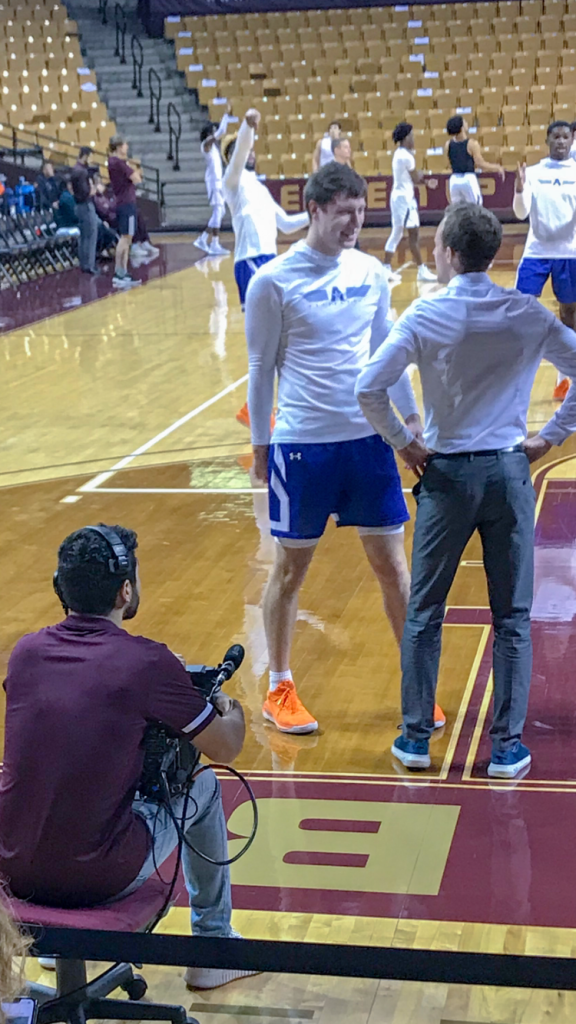
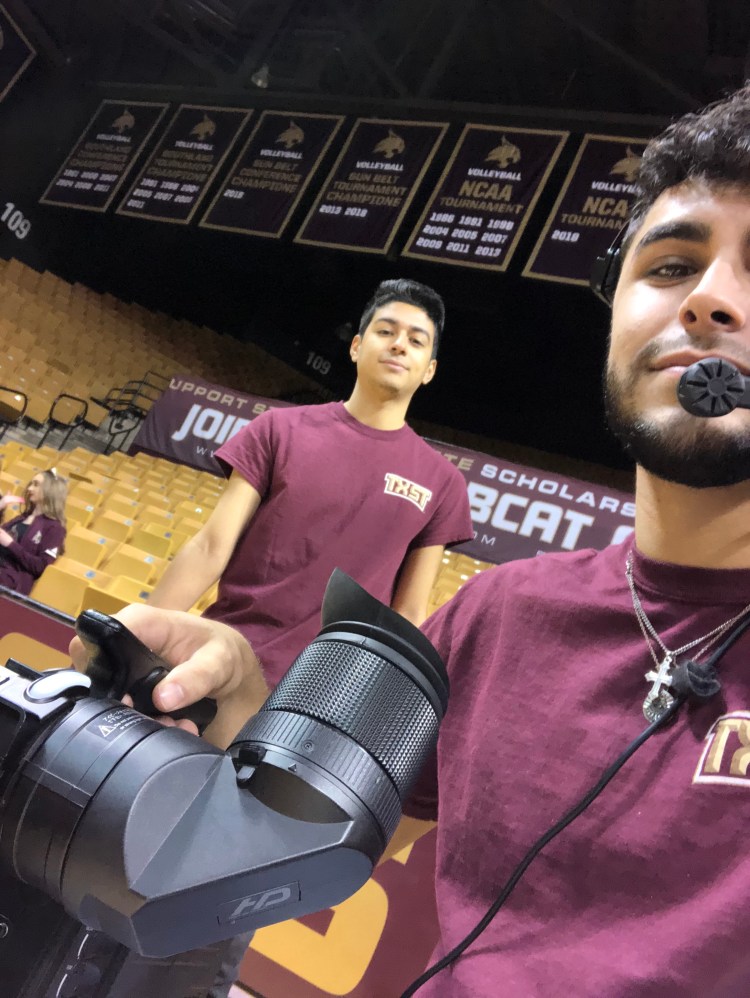
Me (right) and Josh (left) waiting for the Men’s Basketball game to start.

More Information: Team Player – TXST-ESPN Video Production with Lucas Haskins

Design a site like this with WordPress.com
Get started